Seconds In An Hour A Simple Guide
Count Seconds in an Hour: Unlock the Clock’s Hidden Power
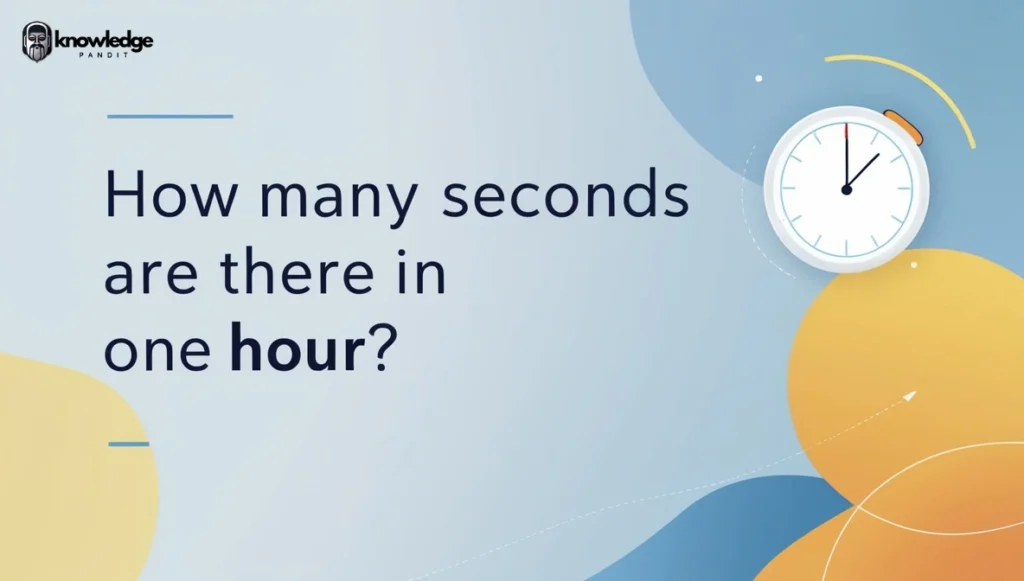
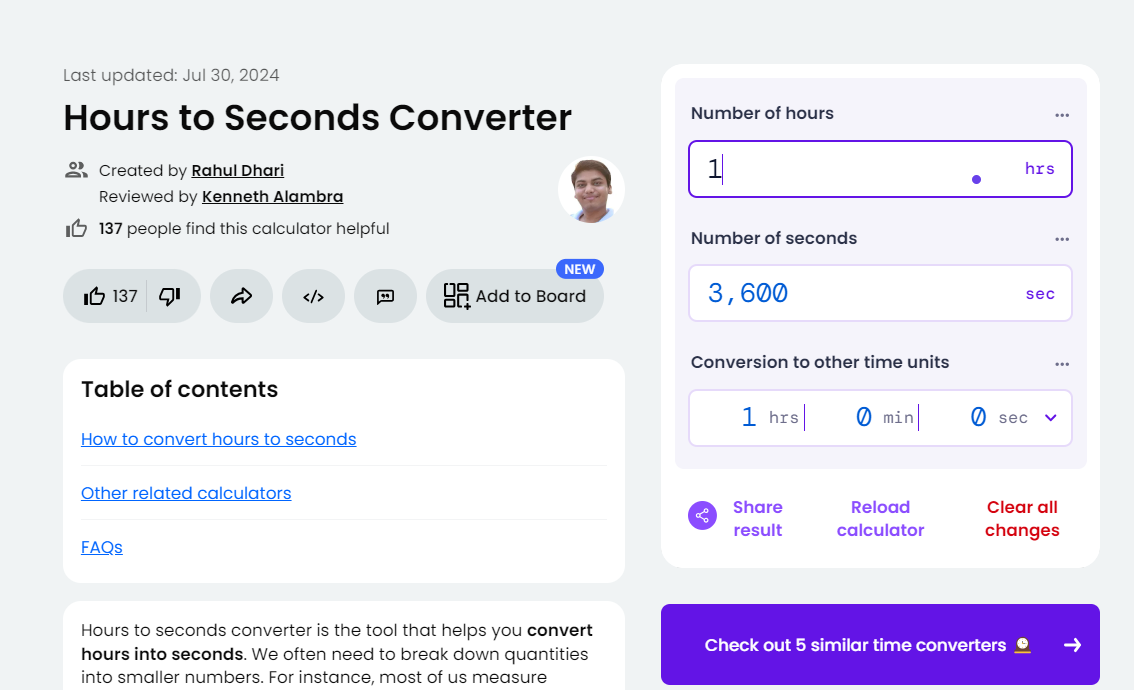
There are exactly 3,600 seconds in one hour — a figure that underpins everything from daily routines to global systems. Understanding how to break down time with precision empowers individuals and industries alike, transforming abstract moments into actionable data. Whether scheduling meetings, optimizing workflows, or developing high-frequency trading algorithms, mastering this basic unit of time unlocks efficiency, accuracy, and innovation.This guide reveals how to decode the hour, step by step.
The Reverberating Influence of 3,600 Seconds
A single hour contains 3,600 seconds — a sum derived from 60 minutes multiplied by 60 seconds. “Time is the most precise currency in our lives,” notes Dr.Elena Torres, a cognitive scientist at the Institute of Temporal Studies. “Every century, micros and macro decisions accumulate into measurable outcomes. Knowing how to parse seconds within hours lets us align behavior with objectives.” This third of an hour shapes sleep cycles, work-break schedules, and even technical systems dependent on timing, such as network protocols and industrial automation.
Each minute contains 60 seconds, so dividing the hour into minutes creates a foundational structure: 60 minutes ÷ 60 seconds = 1 minute = 60 seconds 1 hour = 60 minutes × 60 seconds = 3,600 seconds This conversion forms the backbone of time-based calculations across fields. For example, the frequency of data transmissions in global telecommunications often operates on millisecond precision, yet the hour remains a critical reference point for monitoring usage patterns and capacity planning.
Breaking It Down: Seconds Within the Hour
To harness the full power of 3,600 seconds,

Related Post

Shibari Ties: More Than Just Knots — Where Art Meets Discipline
OSC Hybrid Sports Cars: Top Choices Under $50K That Deliver Performance Without Breaking the Bank

Wilmington Zip: Decoding the postal code that powers Wilmington’s connectivity and growth
:strip_icc():format(jpeg)/kly-media-production/medias/4928606/original/014647000_1724688899-Kualifikasi_Piala_Dunia_2026_-_Ilustrasi_Logo_copy.jpg)


